
Ever wonder how getting a dental implant or bridge might mess with your taste buds? It’s a legit concern! We get questions about this all the time here at Dorri’s Dental in Boynton Beach, FL 33436. Many people want to know if these tooth replacements will change how they enjoy their favorite foods.
Let’s dig into how these procedures can, and sometimes don’t, affect your sense of taste.
How Do Dental Implants and Bridges Affect Taste?
The good news is, most of the time, dental implants and bridges *don’t* significantly alter your taste. But, there are a few things that can temporarily play tricks on your taste buds:
- Location Matters: If a tooth replacement is close to taste buds (mostly on your tongue and the roof of your mouth), there’s a *slight* chance of temporary altered taste.
- Material Sensitivity: Rarely, some people are sensitive to the materials used in implants or bridges. This can cause a metallic taste.
- Healing Process: After the procedure, inflammation and swelling can temporarily affect your taste. This is usually short-lived.
- Nerve Involvement: In very rare cases, nerve damage during implant placement *could* affect taste, but this is uncommon.
The Implant and Taste Connection
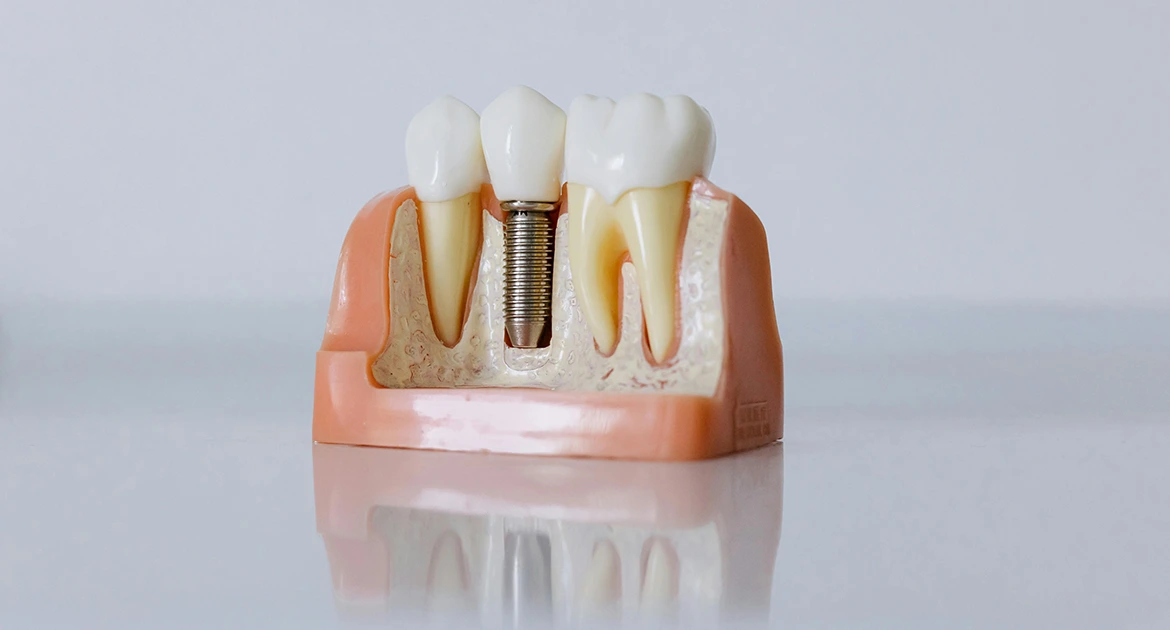
Dental implants are anchored directly into your jawbone. Because they don’t cover a large area of your mouth like, say, a denture might, they’re less likely to interfere with taste. Think of it like this: Implants replace individual teeth, leaving the rest of your mouth free to taste as usual.
However, if you’re getting implants in your upper jaw near the palate (roof of your mouth), there *is* a small chance of temporary taste changes. But most patients find that any changes are minor and resolve quickly as they heal.
Need to know more about the dental implant procedure? We can help with that!
Bridges and Your Taste Buds
Dental bridges, on the other hand, *can* sometimes have a bit more of an impact, especially if they cover a larger area of your mouth. Here’s the deal:
- Coverage Area: Bridges span across multiple teeth, sometimes covering a portion of your palate, which can slightly dull your sense of taste temporarily.
- Adaptation: Your mouth is amazing at adapting! Most people get used to the bridge quickly, and their taste returns to normal.
- Materials: The type of material used for your bridge can also play a role. If you have any sensitivities, talk to us.
Curious what the process for getting a bridge is like? Check out our page about the dental bridge procedure.
Minimizing Taste Alterations
We want you to enjoy every bite! Here’s what we do at Dorri’s Dental to minimize any potential impact on your taste:
- Careful Planning: We meticulously plan implant and bridge placement to avoid areas with high concentrations of taste buds.
- Biocompatible Materials: We use materials that are well-tolerated by the body, reducing the risk of sensitivity.
- Open Communication: We encourage you to let us know if you experience *any* changes in taste after your procedure.
If you’re worried about the cost of dental work, we have several insurance and financing options available to help you smile brighter.
And for a great deal, make sure to check out our offers and promotions pages.
How Long Do Taste Changes Last?
Most taste changes clear up on their own. The first few days are usually the oddest, since your mouth is dry from the anesthesia and pain medicine, and there may be a leftover taste from the rinse or temporary cement. Things improve as the swelling goes down, and by two to four weeks most patients say their taste is back to normal. If it still hasn’t come back after a month, call us at (561) 244-5001. It’s usually something small and easy to fix.FAQs About Taste and Tooth Replacements
Still got questions? We’ve got answers!
- Will my taste definitely change after getting an implant or bridge?
- Not necessarily! Most people don’t experience significant or long-lasting changes.
- What if I notice a metallic taste?
- Let us know right away! It could be a sign of material sensitivity or another issue.
- How long does it take for taste to return to normal?
- If there are any changes, they usually resolve within a few weeks.
- Can I do anything to help my taste recover?
- Staying hydrated and maintaining good oral hygiene can help. Avoid overly spicy or acidic foods at first.
- Why does everything taste bland right after my procedure?
- Dry mouth is usually the reason. Saliva has to dissolve food before taste receptors can detect it, and both anesthesia and pain medication reduce saliva flow.
- How do I clean underneath a bridge?
- A floss threader, superfloss, or water flosser lets you clean the space between the false tooth and your gum. Regular flossing can’t reach it, and debris left there is the most common cause of a bad taste months after treatment.
- Can a failing implant cause a bad taste?
- Yes. An infection in the gum and bone around an implant can cause a lasting bad taste, often with bleeding, swelling, or soreness. Early treatment makes a big difference.
At Dorri’s Dental, we’re committed to ensuring your dental work is as comfortable and enjoyable as possible. If you’re in the Boynton Beach area and considering implants or bridges, reach out to us with any questions you may have!
Ultimately, understanding how dental implants and bridges affect taste can ease your mind, and we are here to help!
Book Your Next Appointment Below
Located on 12658 S Military Trl Suite 104, Boynton Beach, FL 33436, our detailed assessment ensures that all your dental needs are addressed.